
About this guide

A member of staff or a carer can support you to read this guide. They will be able to answer any questions that you have.
About this guide
This guide is to help you if someone close to you has died.
 Print or download as a PDF
It is different for everyone

When someone close to you dies, people can feel different things.
You might feel:
- sad
- angry
- lonely
- frightened
- guilty
- numb
- lost
It is normal to feel a lot of these and it is very difficult to cope with particularly in the first weeks or months after someone dies.
There is help for you

There are lots of people who can help you when someone dies.
There are some helpful contacts at the back of this guide.
What things must be done when someone dies?

Medical certificate
A doctor must sign a medical certificate. This says when a person died and how they died. The doctor will give this certificate to the family of the person who died.
If a person dies at home, a doctor must be called to sign the certificate.

Finding out why a person has died
If someone dies suddenly, the doctor will tell the police. The police tell a coroner. The coroner has the job of finding out how people have died.
A specialist doctor might have to check the body to find out why the person died. This is called a post mortem. This usually happens when someone dies out of hospital. It means there will be a delay before you can register the death.

Registering the death
If you are given the medical certificate, you have to take it to the local Registrar. This is the person who keeps a list of people who are born or die in your area.
You must do this within five days of getting the medical certificate.
You will need to book an appointment to do this.
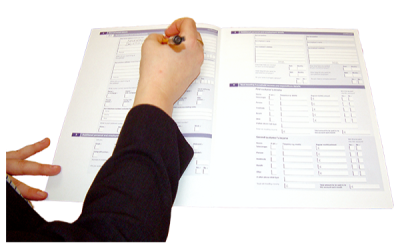
The Registrar will give you a Death Certificate. This says the date the person died and how they died.
You will need the death certificate to sort out most things after someone has died.
It is a good idea to ask for 10 or more copies of the death certificate.
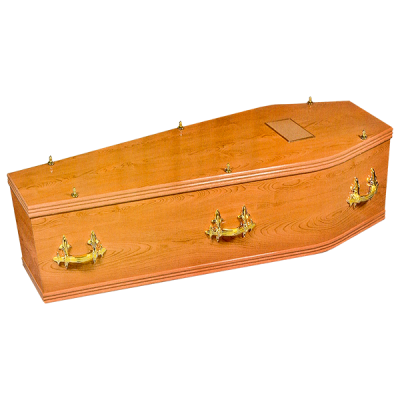
Arranging a funeral
A funeral director will help the family to plan the funeral. There will be a firm near you. You can contact them as soon as someone has died.

You will be able to plan where the funeral will be and when. You can choose a coffin, and flowers if you want to.
The funeral director will speak to the people who help with the funeral.
This might be:
- the crematorium
- a church
- a synagogue
- a mosque
You can also talk to the funeral director about what you want in the ceremony or celebration of the person’s life. Some people will have told you what they wanted and this can help you plan it.

You may get some money
Sometimes people can get money from the government when someone close to them dies. This can help to pay for the funeral.
You may be able to get regular payments from a pension.
Contact your local Department for Work and Pensions (DWP) to find out more.

Telling people
If you say it is okay, the registrar can tell other government organisations that the person has died.
This can include the council, Department of Work and Pensions (DWP), and HM Revenue & Customs (HMRC).
This helps to stop things like bills, benefit payments, and who to send tax letters to if the person was paying tax.
You will need to tell the bank and utility companies (like gas, electric, water and phone).
You can speak to their bereavement teams.
They will ask for a copy of the death certificate.
Some people write a Will before they die. The Will says what will happen to their money and possessions when they die. It says who will be in charge of making sure the money and possessions go to the right people.
You can ask a specialist solicitor to help. This area of law is called ‘Probate’
A solicitor understands wills and what happens to someone’s things when they die.
A solicitor can help even if there is no Will.
If there is no Will when someone dies, this is called “intestate.”
You can contact the services listed to get help and advice about what to do next.
How do people feel when someone dies

When someone dies, people react in different ways.
It is not easy but nearly everyone faces this at some time in their life.

In the first few days
Often people feel shocked when someone close to them dies. These are some of the feelings people might have in the first few days:
- Sadness
- Shock
- Panic
- Frightened
- Alone
- Numb, like they cannot feel anything.

Most people cry but some people do not cry at all.
Some people keep busy organising the funeral or sorting things out, to help them get through the difficult time.

Some people feel they cannot cope at all and need lots of help and support.
All of these feelings are normal.

After a few weeks or months
It can take a long time to feel better after someone close to you dies.
Some people feel ‘on edge’ for months. They might keep very busy, doing things like cleaning the whole house.
It's very common to feel like it's all a horrible dream and you keep expecting to hear or see the person.
It's common to think about the person all the time and for your sleep to be affected too.

Often people feel guilty and wonder if they could have done more to help.
People can feel angry at the person who has died, or angry at people around them.

These feelings are all normal, but if you are worried you should speak to someone close to you or your doctor.
When will I start to feel better?

It can take a long time before you feel better.
For most people they start to think about the person who has died a bit less, and feel they can be happy in their life. This often takes one or two years.

Remember, ‘moving on’ and being happy again doesn’t mean that you have forgotten about the person who has died.
People grieve in their own way.
Someone may feel better, but they might still feel sad many years later when something makes them think of the person who died.
Everyone feels grief at some time in their life.
Because of this, there is lots of understanding and lots of support to help people.
Can tablets help me feel better?

Sometimes, your doctor might give you tablets to help you when someone dies.
The tablets might help you to feel calmer and might help you sleep during the first few weeks. Most people do not use them for very long.

If you feel very sad for a long time (more than 6 months) after someone dies, you might want to get help.
Talk to your doctor or call support services who are listed at the end of this guide.
What can I do to help myself?
Before someone dies
If you can, and if it’s ok with them, you should try to talk to the person who is going to die.
It can be good to tell them how you feel about them.
It can be good to talk about things you might need to sort out, like money and the Will.
It’s a good idea to make a file up with all the information you might need in the event of your death or someone else. This can include contacts and where to get passwords but this needs to be kept somewhere very safe because this information is sensitive.
In the first few days
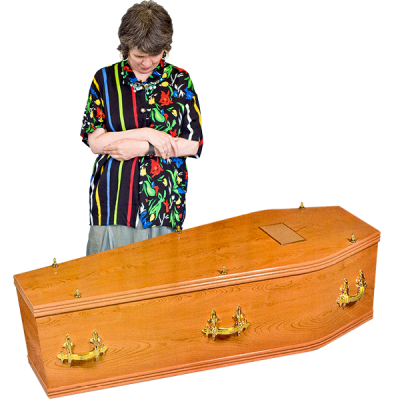
When someone dies, you might want to see them in the funeral home. Some people find this helps them, they want to say goodbye. Other people do not want to do this. You can decide what you do.
If you are planning a funeral, get someone to help you.
Funerals can cost a lot of money – do not feel you must spend more than you can afford.
Some people say they do not want a funeral.
They may only want to be buried or cremated. You will still need to organise this with the funeral director.

Over the next weeks and months
It is important to look after yourself.
- Make sure you eat well and rest.
- Talk to people about how you are feeling. Talk to friends and family, or your doctor. Ask for help if you need it.
- Try to see friends and family.
- Try to get back into your normal daily routines.

- Join local groups and clubs to meet new people.
- Plan what you will do on days that are special like birthdays, anniversaries or Christmas.

- Try not to make big changes in your life, like moving house or getting a new job. Often people regret making these changes when they are feeling better.
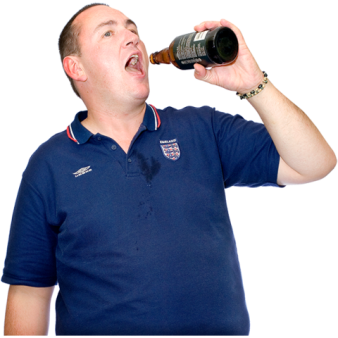
- Do not use alcohol or drugs to make yourself feel better. They can make things worse.
- Try to eat healthy food. If you do not eat well, you may feel tired and unwell.
What can your family and friends do to help?

Sometimes family and friends don’t know how to make you feel better.
They might even stop seeing you because they don’t know how to help.
If someone finds it hard to talk, you can speak first.
Let them know you are okay to talk and that you understand it Is difficult for them to know what to do too.

Your family and friends can help. It is good if they:
- Spend time with you.
- Talk to you and listen.
- Don’t get angry or upset with you.

- Talk about the person who has died.
- Offer to help, cooking and cleaning or helping with shopping. This can be really useful in the first few days after someone dies.
- Help you to go out and about to see people and meet new people.
Where to get more help

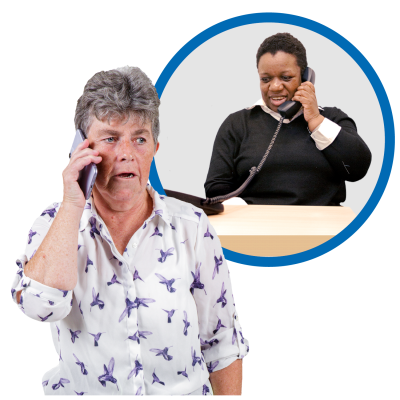
If you would like to get more help or information, you can get in touch with these people:
Bereavement Advice Centre
Help and advice on bereavement.
Telephone 0800 634 9494
www.
CRUSE Bereavement Support
Help and support after a bereavement for people and carers.
Telephone 0808 808 1677
www.

The NHS website
Help and information about local services and healthy living.
www.
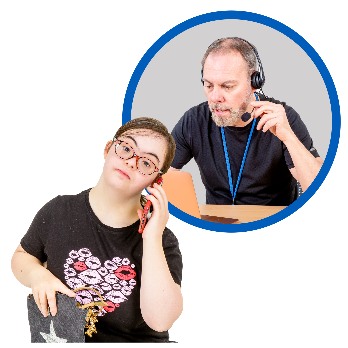
Samaritans
Support for people in a crisis.
Telephone: 116 123
Email: jo
www.

You can also get help and information from your doctor or nurse.
Acknowledgement

Easy Read version developed by:
- Skills for People, Telephone: 0191 281 8737
Skills for People is a registered charity no. 1069993 - Many thanks to service users and healthcare staff who have contributed to the development of this guide
Adapted from Bereavement - A Self Help Guide written by Lorna Cameron and Dr Lesley Maunder. www.
Published by the Patient Information Centre
2025 Copyright, Cumbria, Northumberland, Tyne and Wear NHS Foundation Trust
Ref, PIC/744/0525 May 2025 V4
Review date 2028