
About this guide

A member of staff or a carer can support you to read this guide. They will be able to answer any questions that you have.
About this guide
- This guide is for people who have anxiety. This is being stressed, worried or nervous because something has happened.
- This guide will tell you what you might to do help manage how you feel.
- It will tell you where you can go to get help.
 Print or download as a PDF
What is anxiety?
Anxiety is the feeling we get when our body is dealing with a frightening or nasty experience.
It is normal to feel anxious sometimes, but anxiety is when it makes everyday life hard.
You can have anxiety even if you don't know what might have caused it.

It means that your body is getting ready to do something – this could be getting ready to fight danger or run away from it.
Lots of people get anxiety. It is not dangerous but it does feel very hard to cope with, but it is not dangerous.
Some people get anxiety worse than others and it can become a problem when it starts to affect how you live your life.
How might I feel?
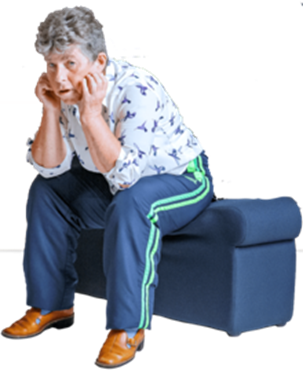
Anxiety will feel different for everyone. It can change the way you think, the things you do and the way your body works.
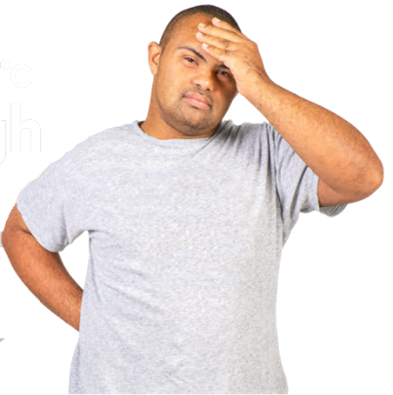
You might feel these things:
- Nervous, worried or scared.
- Stressed, on edge or tense.
- Dizzy, panicky or just ‘strange’, not yourself.
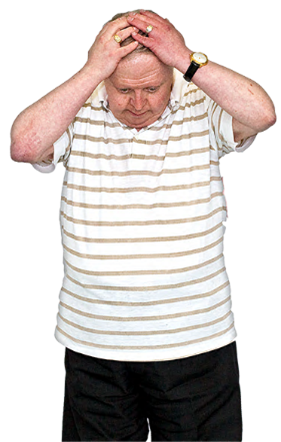
You might think differently:
- Worry more than usual.
- Not be able to concentrate.
- Go over things in your head.
- Find everything you would normally do very difficult.
- Find it hard to understand what people are saying or what you are reading.
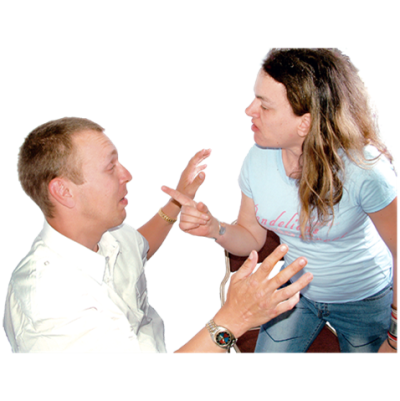
You might do different things:
- Walk up and down a lot.
- Start something and not finish it.
- Can’t relax or sit still.
- Be angry with people.
- Drink or smoke more.
- Eat more or less than normal.
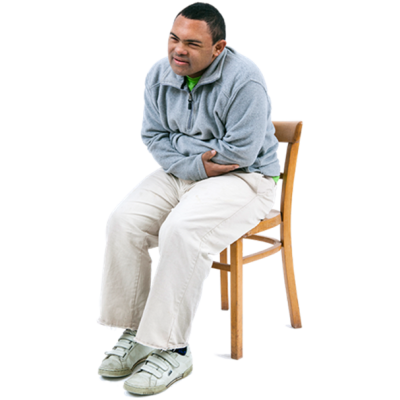
Your body might feel different:
- Go numb or tingly.
- Feel breathless or that you can’t breathe properly.
- Heart beats faster.
- Stomach pains.
- Aching muscles.
- It can be hard to speak.
- You make shake.
- You may sweat even if you are not hot.
If you feel some of these things, you might have anxiety.
What can I do to help?
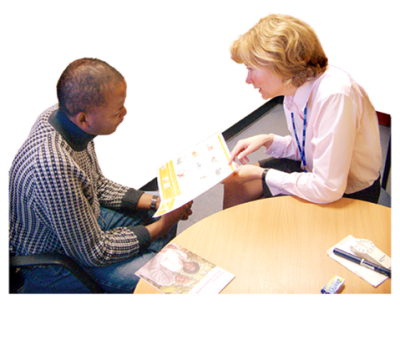
Anxiety can get better. One of the first things to do is learn about why you have anxiety.
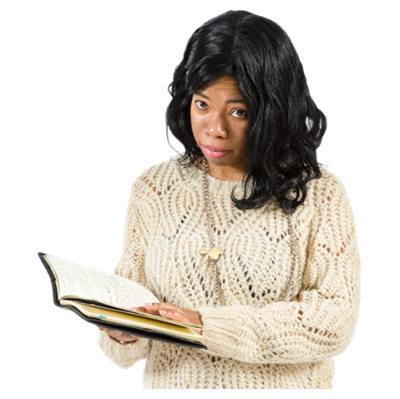
Think about the things that make you nervous or frightened. You could write a list or draw a picture. This might help you to see what is causing your anxiety and you can then think about what it would take to make things better.
Even if this does not tell you why you feel anxious, it can help you understand what is keeping the feeling going right now so you can find ways to manage it.

Relaxing may feel impossible, but using relaxation exercises can help. They can make the changes in your body and racing thoughts less strong.
There are a lot of relaxation exercises and resources to talk you through these. Choose which works best for you - you need to practice to get better at them.
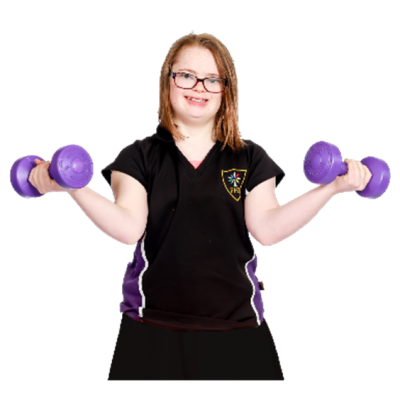
You can have help to learn about relaxing to help your anxiety – ask your doctor, nurse or someone trained in treating people with anxiety.
Make sure you don’t breathe too quickly as this can make you feel worse. Breathe slowly and deeply until the anxiety feelings start to go away.
It helps to take some time out and move to a different room or place.
Try to take your mind off things - go for a walk, do some exercise, or talk to a friend.
You might want to stay away from things that make you anxious. But finding another way to do them, or getting help, can be better. Avoiding things too much can make your anxiety worse.
Changing the way you think

Some people find it hard to change the way think when they are feeling nervous or worried. This can make the anxiety worse.
It is important to try and break the circle of thinking bad thoughts, which make your anxiety worse.
Notice when this is happening and what these thoughts are.

Try to think about the good things that have happened over the last week or in the past and concentrate on them. Remind yourself that nothing bad is going to happen.
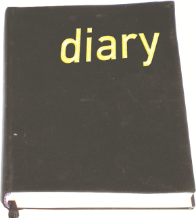
You could keep a diary of the times you feel nervous or worried and then write or draw what you did to make yourself feel better.
It can also help to think about what you tried that did not work. This way, you know what to avoid next time.
What can I do to help?
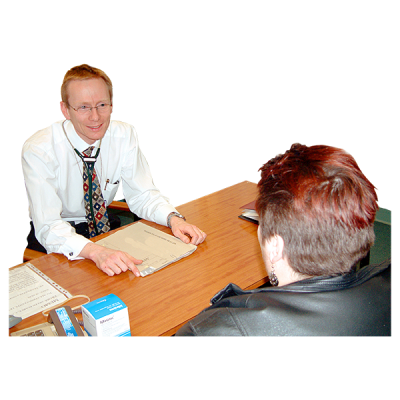
If you think you are suffering from anxiety, you can talk to your doctor or nurse. They might give you some exercises to do, or they might give you some tablets to take.
If you are still anxious you can ask your doctor or nurse to send you to see a counsellor or other specialist who can help with anxiety.

Your doctor or nurse might ask you to see someone else who will be able to help you.
Exercise, joining groups or getting involved with your community also help alot. You can get information about what's availabe from the internet, your local news, the library or your doctors surgery.
Where to get more help

If you would like to get more help or information, you can get in touch with these people:
Anxiety Care
Help and support for those suffering from anxiety.
www.
Rethink
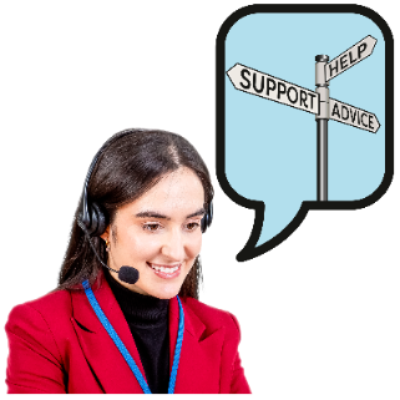
Information and help for anyone who has mental health problems.
Advice Service: 0808 801 0525
Email: advice
www.
You can also get help and information from your doctor or nurse.
Acknowledgement

Easy Read version developed by:
- Skills for People, Telephone: 0191 281 8737
Skills for People is a registered charity no. 1069993 - Many thanks to service users and healthcare staff who have contributed to the development of this guide.
Adapted from Anxiety - A Self Help Guide written by Dr Lesley Maunder and Lorna Cameron www.
Published by the Patient Information Centre
2025 Copyright, Cumbria, Northumberland, Tyne and Wear NHS Foundation Trust
Ref, PIC/721/0525 May 2025 V4
Review date 2028